What Is Plantar Fasciitis?
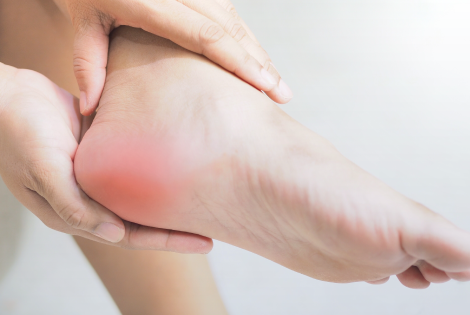
Running along the bottom of your foot is a thick band of connective tissue called the plantar fascia. It connects your heel bone to the base of your toes and plays a crucial role in absorbing the load placed on your foot during walking, running and everyday activity.
Plantar fasciitis occurs when this band becomes irritated and inflamed — and in more persistent cases, small tears can develop within the tissue. It's one of the most common causes of heel pain, affecting around 10% of people at some point in their lives.
What Does It Feel Like?
Plantar fasciitis has a very characteristic presentation:
- A sharp, stabbing pain at the bottom of the heel — often described as stepping on a stone or piece of glass
- Pain that is worst with the first few steps in the morning or after sitting for a long period
- An ache that typically eases after 5 to 10 minutes of walking as the tissue warms up
- Pain that can return later in the day as the foot fatigues
- Occasional arch pain along the sole of the foot
- Pain that tends to be worse after activity rather than during it
In the early stages symptoms are usually limited to that morning pain and settle quickly through the day. As the condition becomes more established, the pain and stiffness can intensify — making those first minutes out of bed genuinely difficult — and the window of relief through the day can shorten.
What Causes Plantar Fasciitis?
Plantar fasciitis develops when the load placed on the plantar fascia exceeds what it can tolerate and recover from. Several factors can contribute:
Training and activity related:
- A sudden increase in running volume, distance or intensity
- Starting a new activity involving prolonged time on your feet
- Increasing any weight-bearing activity too quickly without adequate recovery
- Prolonged standing on hard surfaces — particularly common in nurses, teachers, retail and factory workers
Biomechanical factors:
- Tight calf muscles and restricted ankle mobility — one of the most common contributors
- High arches or flat feet affecting how load is distributed through the foot
- Weakness in the foot intrinsic muscles, calves or hip stabilisers
- Poor footwear — flat shoes with minimal support, worn out runners, or prolonged use of thongs or heels
Other factors:
- Age — plantar fasciitis is most common between 40 and 60 years old
- Higher body weight — increases the load through the plantar fascia with every step
- Previous lower limb injuries that have altered your gait or loading patterns
What Can You Do at Home?
If you've noticed symptoms early, these strategies can help settle things down:
- Invest in supportive footwear — avoid flat shoes, old worn-out runners and prolonged barefoot walking on hard floors
- Modify your activity — shorter runs or walks with adequate rest between sessions. You don't need to stop completely but reducing load temporarily helps
- Calf stretching — tight calves are a major contributing factor. Regular calf and Achilles stretching throughout the day, particularly before getting out of bed in the morning
- Calf and foot strengthening — strengthening the calf complex and foot intrinsic muscles helps build the capacity to handle load
- Frozen water bottle rolling — rolling the bottom of your foot over a frozen water bottle for 5 to 10 minutes provides symptomatic relief and gentle tissue mobilisation
- Foam rolling the calf — reducing tension through the calf and Achilles reduces the pull on the plantar fascia
When to Seek Help
If symptoms haven't improved within a week of self-management, or keep returning every time you try to resume normal activity, it's time to get a proper assessment.
Plantar fasciitis is often multifactorial — meaning several things are contributing at once — and without identifying and addressing the underlying drivers, it has a habit of coming back. This is one of the most common patterns we see: symptoms settle with rest, activity resumes, pain returns.
How We Treat Plantar Fasciitis at Active Balance
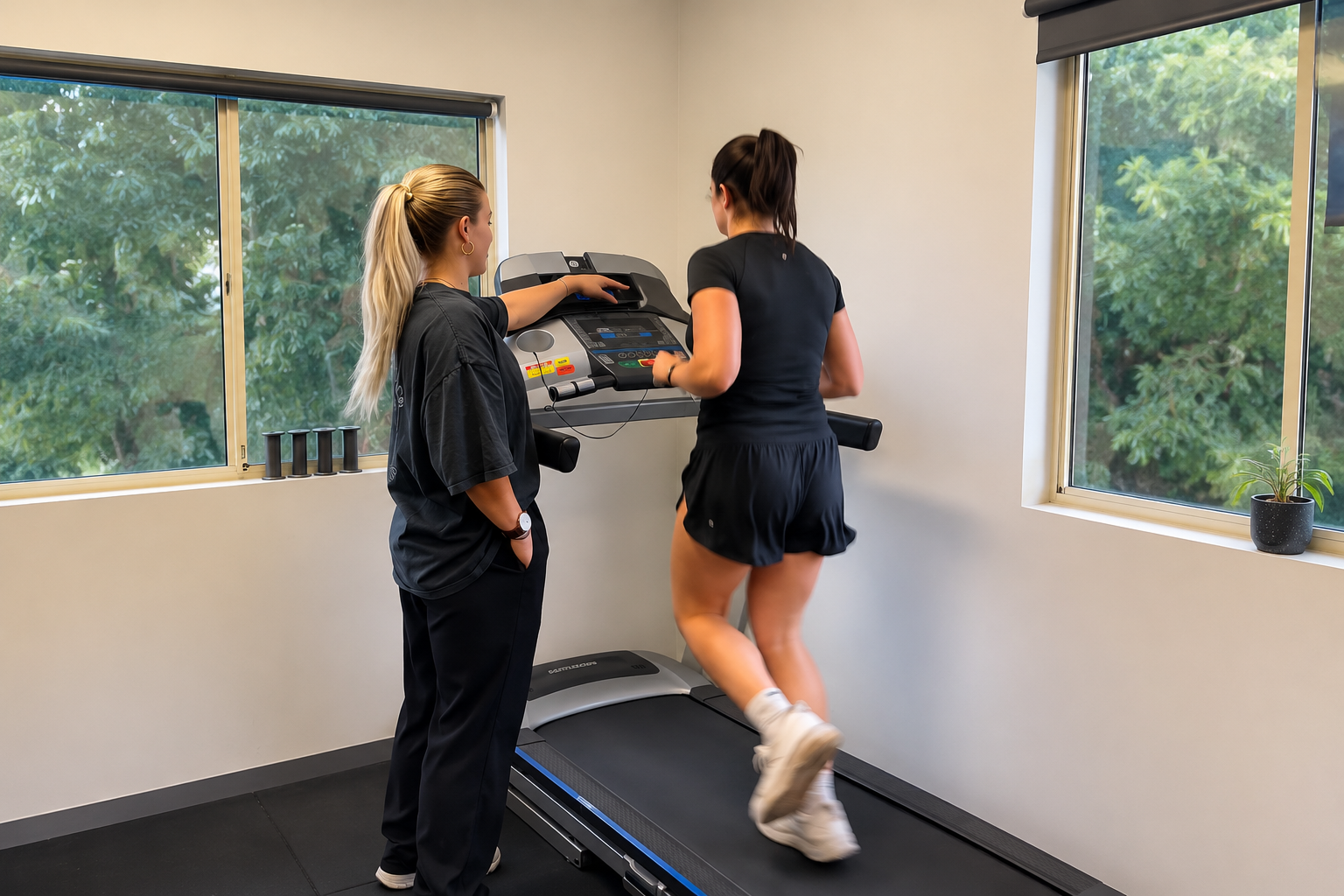
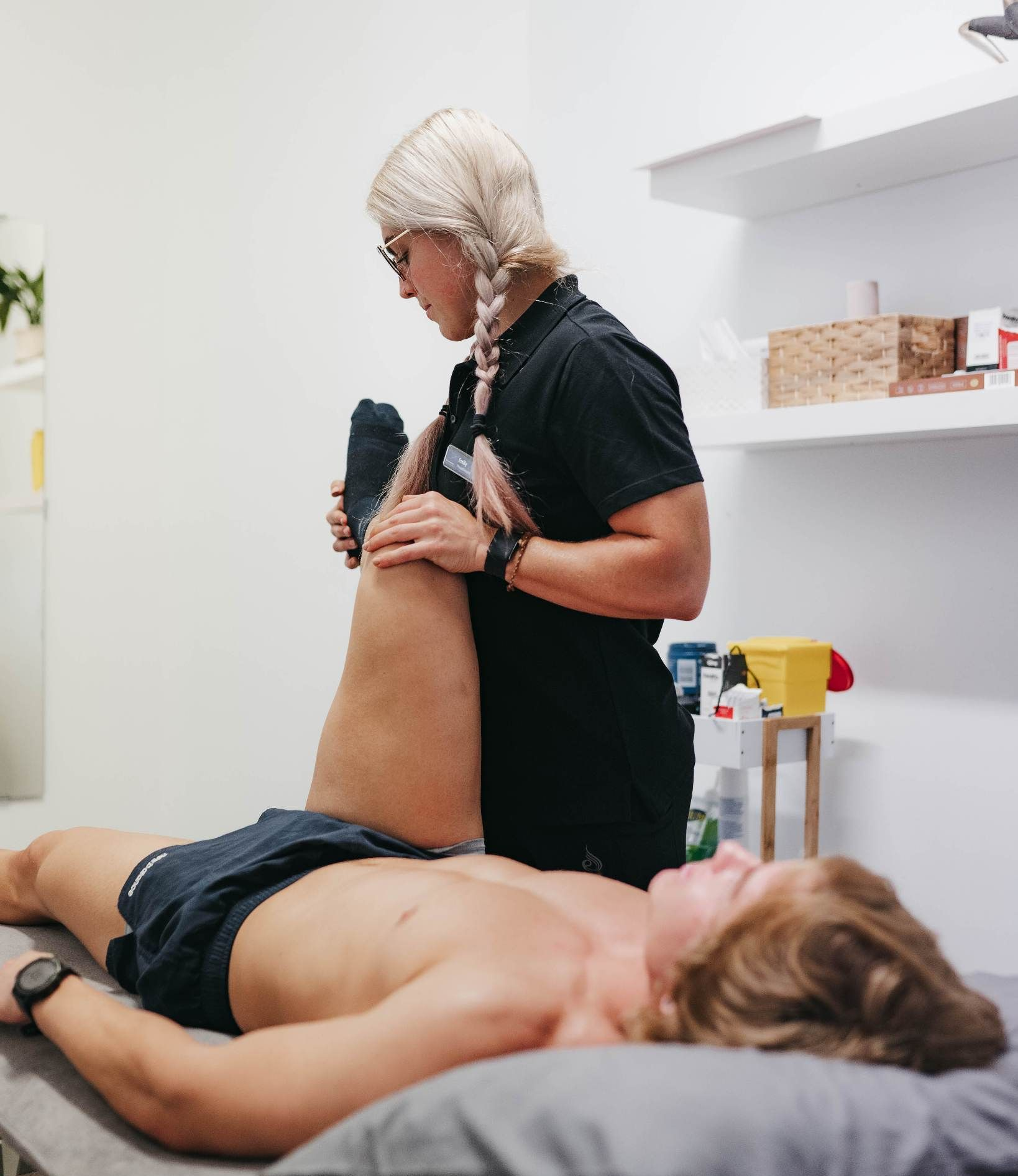
When you come in with plantar fasciitis we start with a thorough assessment of your foot, calf, ankle mobility, foot posture, footwear and training history. Treatment is tailored to what's actually driving your symptoms and may include:
- Load management — identifying the right level of activity to allow healing while keeping you as mobile as possible. Complete rest is rarely the answer and can actually allow the tissue to decondition.
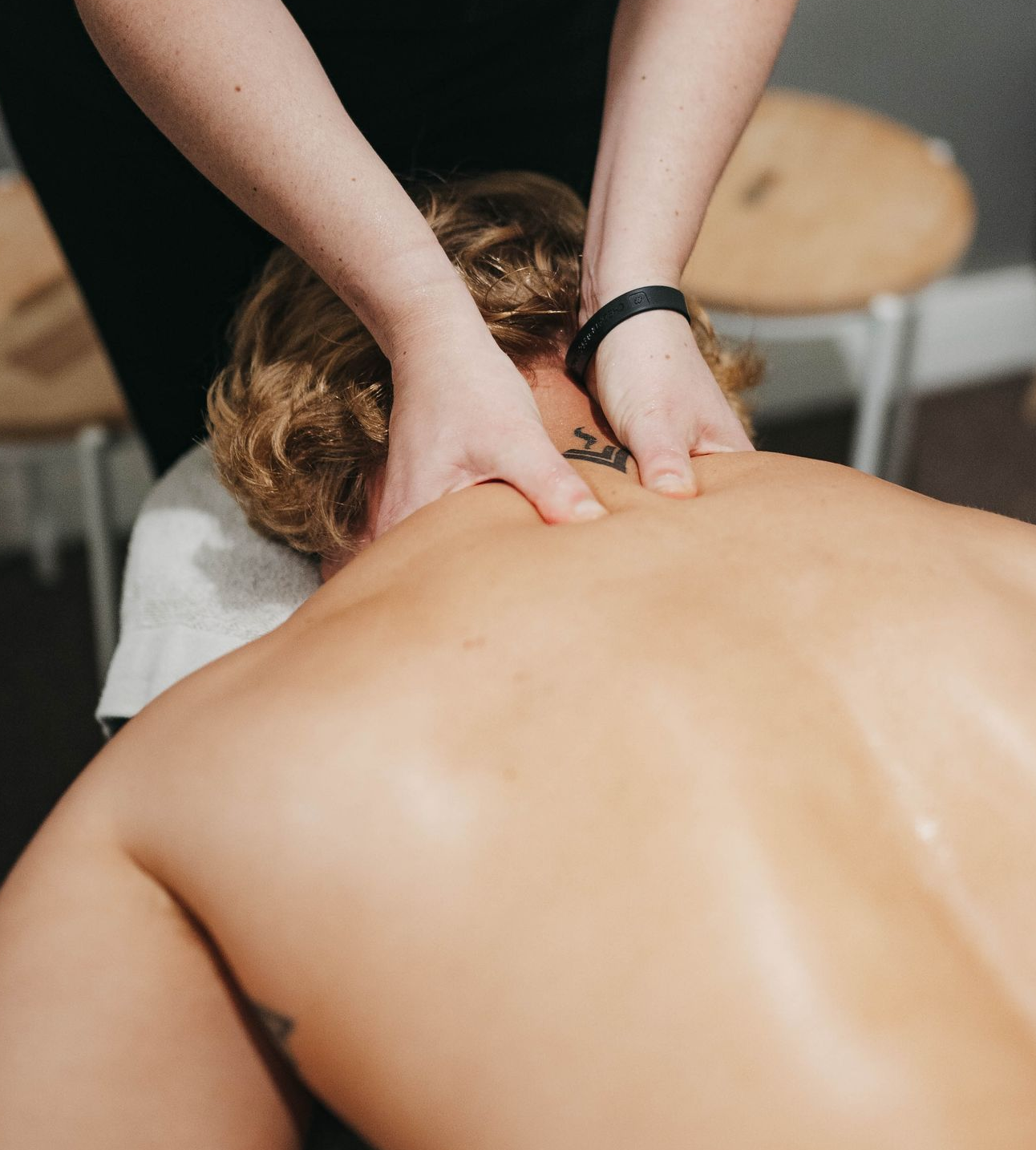
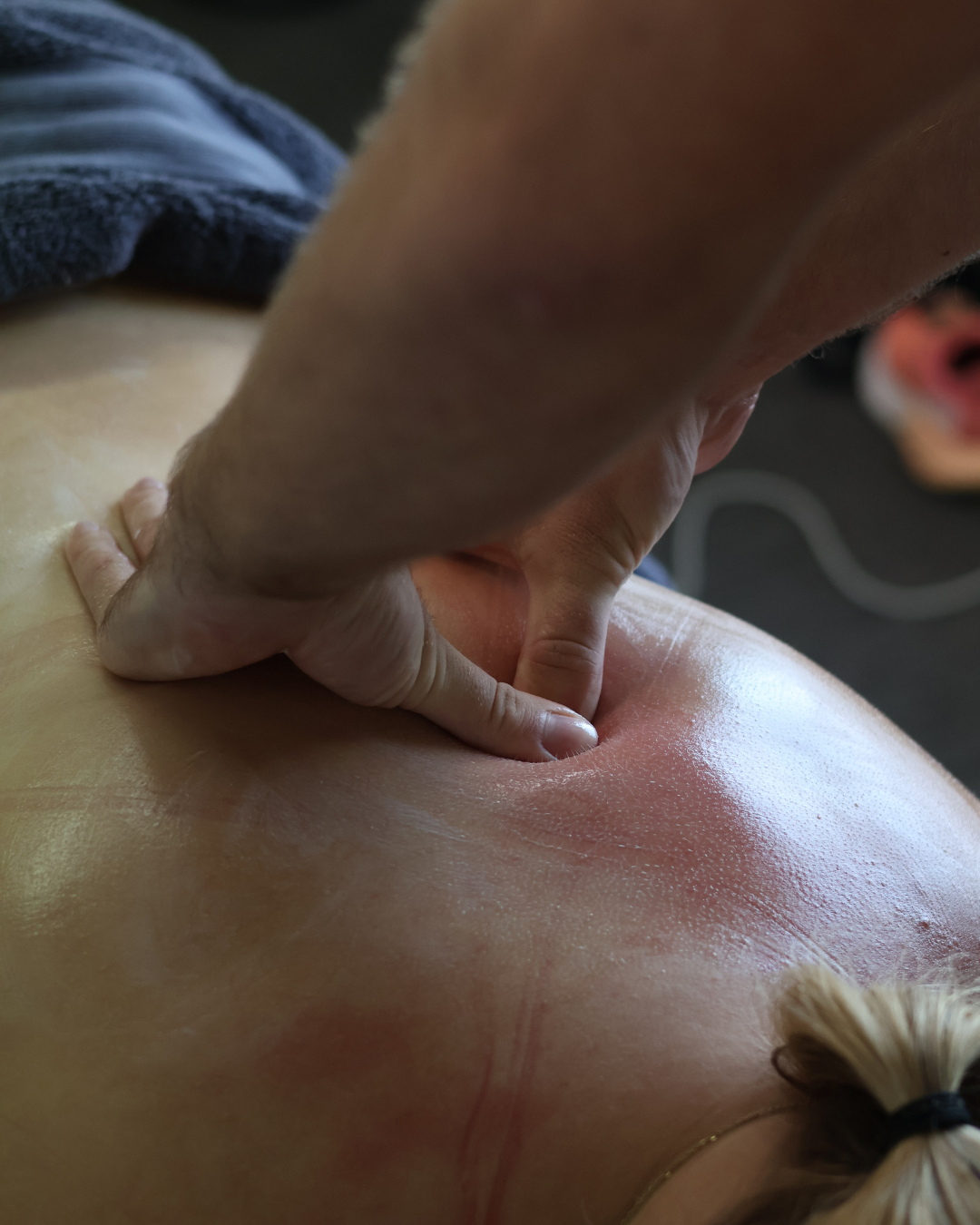
- Hands-on treatment
— soft tissue massage and trigger point release through the calf and plantar fascia, dry needling for persistent muscular contributors, and joint mobilisation to improve ankle and foot mobility.
- Strengthening program — progressive calf and foot strengthening is the cornerstone of plantar fasciitis rehabilitation. Heavy slow resistance calf training has the strongest evidence base for long-term recovery. The program starts gently and builds systematically to restore the tissue's capacity to handle load.
- Taping — low-dye taping or plantar fascia taping can provide significant short-term symptom relief and support while rehabilitation progresses.
- Footwear assessment and advice — reviewing your current footwear and making specific recommendations based on your foot type and activity level.
- Orthotics — in some cases heel cups or custom orthotics can help offload the plantar fascia during recovery. We'll let you know if this is something we think would help and can refer to podiatry where appropriate.
How Long Does Recovery Take?
This depends on how long symptoms have been present and how consistently the rehabilitation program is followed. Mild early cases can resolve in 4 to 6 weeks. More established or chronic presentations can take 3 to 6 months.
The most important thing is not to stop rehabilitation as soon as pain settles — the tissue needs time to build genuine load tolerance before returning to full activity, otherwise recurrence is very likely.
If heel pain is affecting your mornings or limiting your activity, book online or call us on (08) 7123 4148. We'd love to help you get back on your feet.