Your Path to Health and Wellbeing Starts Here

Book an Appointment


Welcome to Active Balance Physio & Wellness

We provide high quality Physiotherapy & Wellness services, working with clients from all over Adelaide, including St Marys, Edwardstown, Clovelly Park, Pasadena, Panorama, Bedford Park, Melrose Park, Colonel Light Gardens, Daw Park, Clarence Gardens, Marion & Darlington.

Book an Appointment

Why Our Clients Choose Us

Locally Owned & Operated

We have been involved in the local community since the very beginning, which incidentally has helped us grow to where we are now. We love to support our community, and work with multiple local sporting and not-for-profit organisations.

Experienced, Highly Skilled Staff

Our staff are always looking for ways to upskill and better their treatments to benefit their clients. We run regular in-house professional development and encourage staff to complete external courses regularly.

Caring and Friendly Team

We pride ourselves on providing a warm and welcoming environment, and aim to make everyone who walks in feel valued and important. You'll never be just a number with us.

Generous Appointment Times

Appointment times vary across modalities, but we will always take time to listen, treat and create a plan. Most sessions are a minimum of 30 minutes, with some available up to 90 minutes (depending on the treatment type).

Inclusive Environment

We provide a safe and understanding environment for all. Gender-diverse, neurodiverse and members of the LGBTI+ community are welcomed and valued here.

Fully Equipped Gym

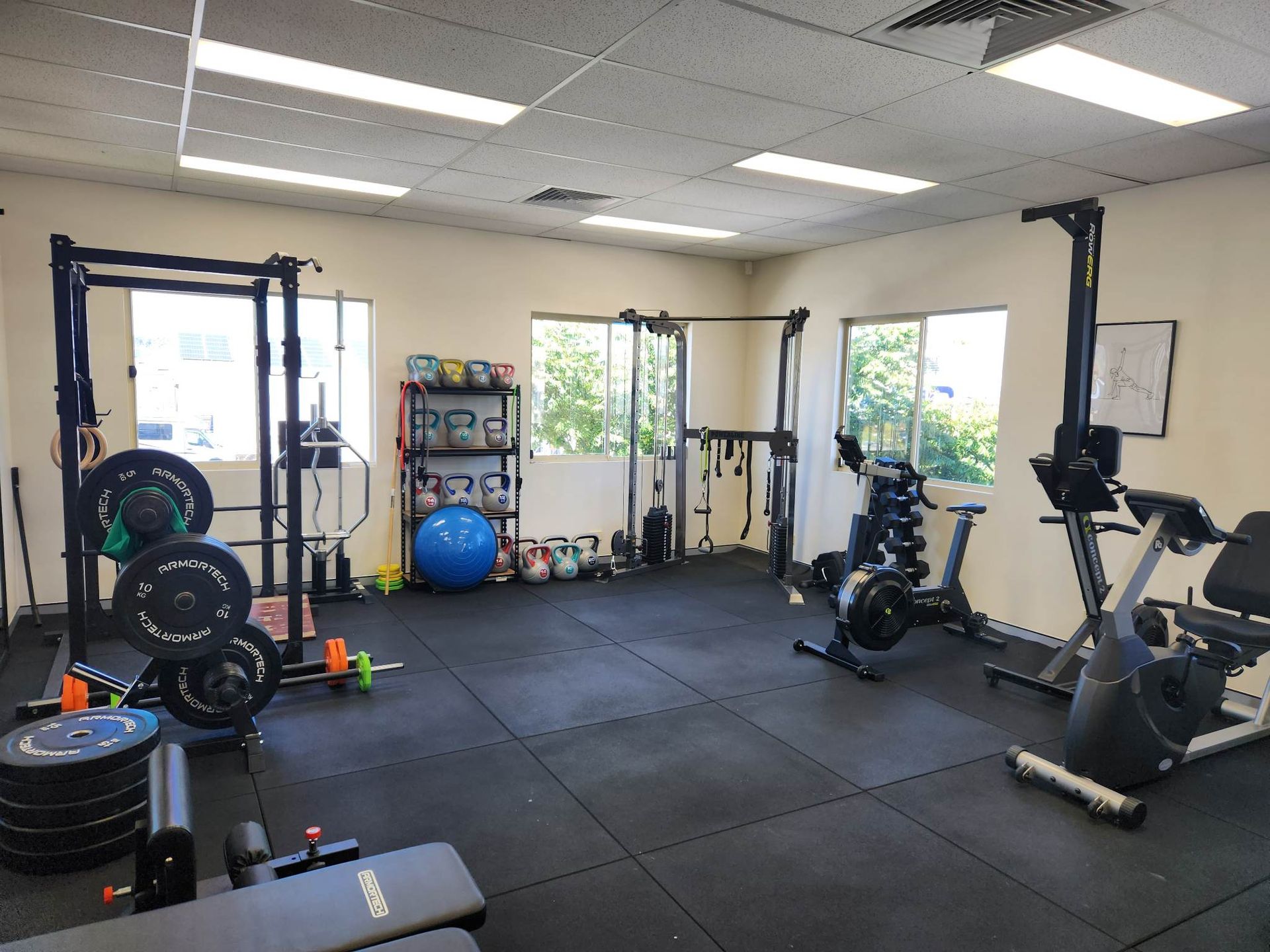
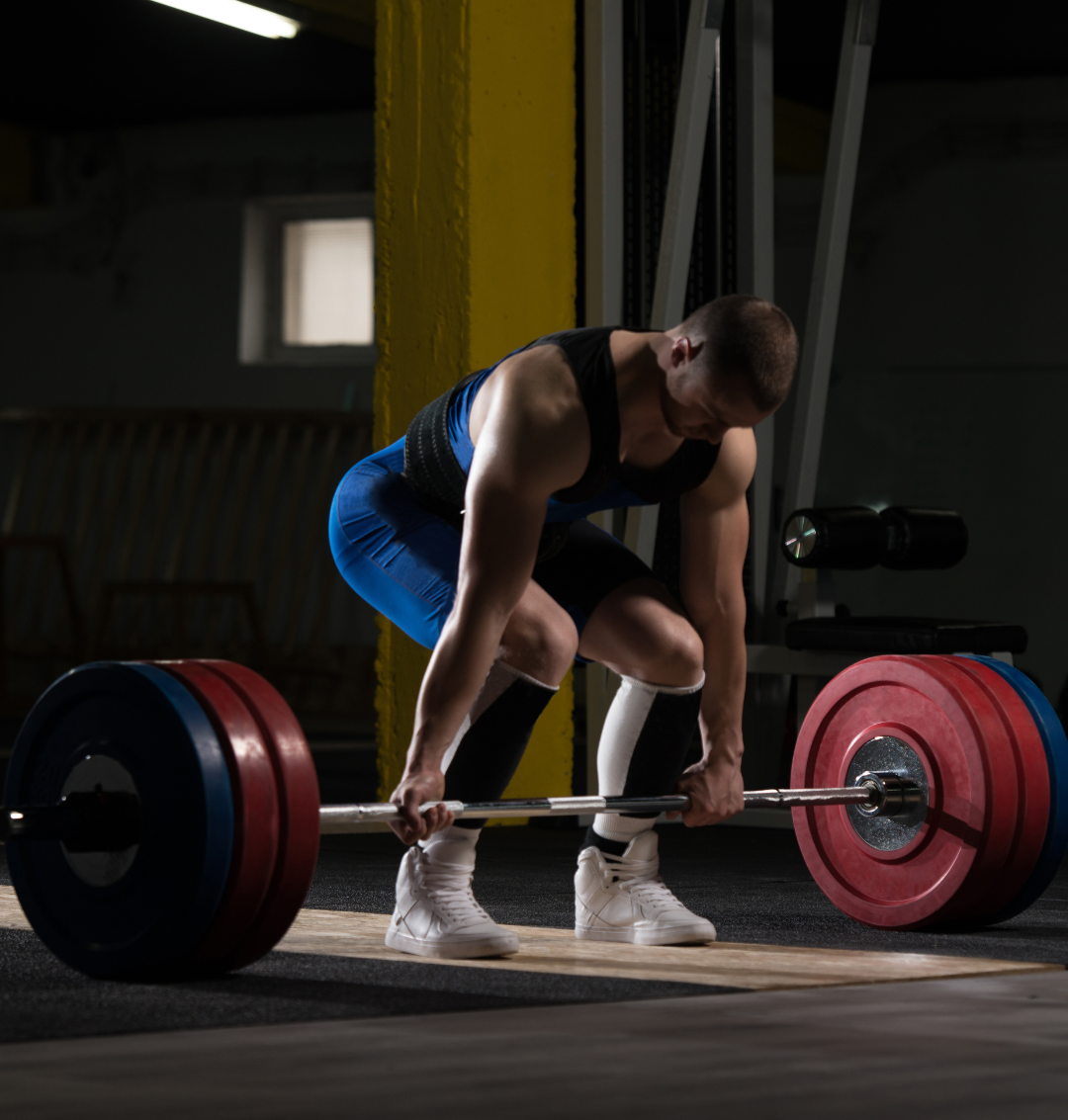
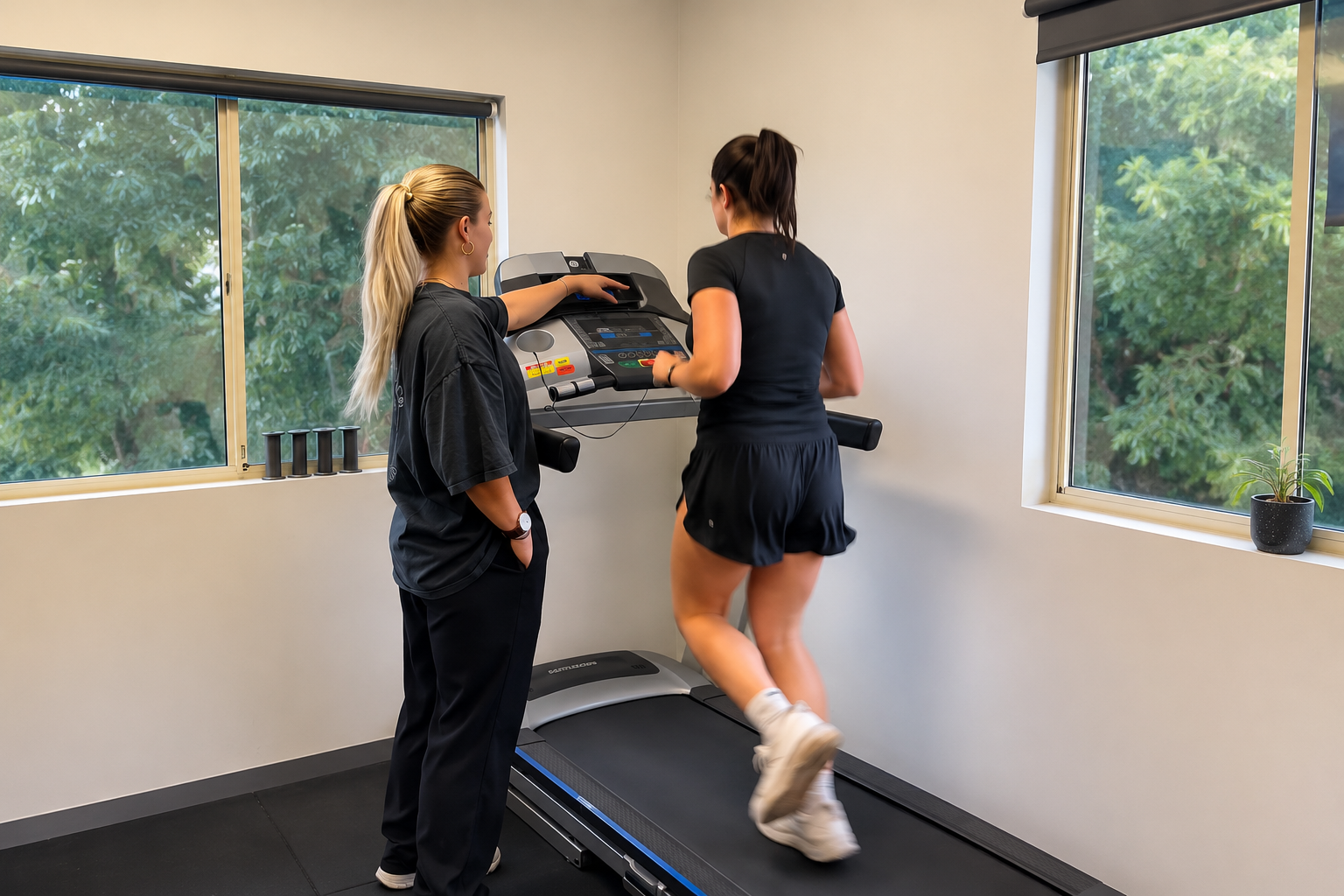
Our onsite rehab gym is fully equipped with cardio and strength training equipment (including barbells, cable machine, C2 ergs), as well as advanced performance testing equipment.

Holistic Care

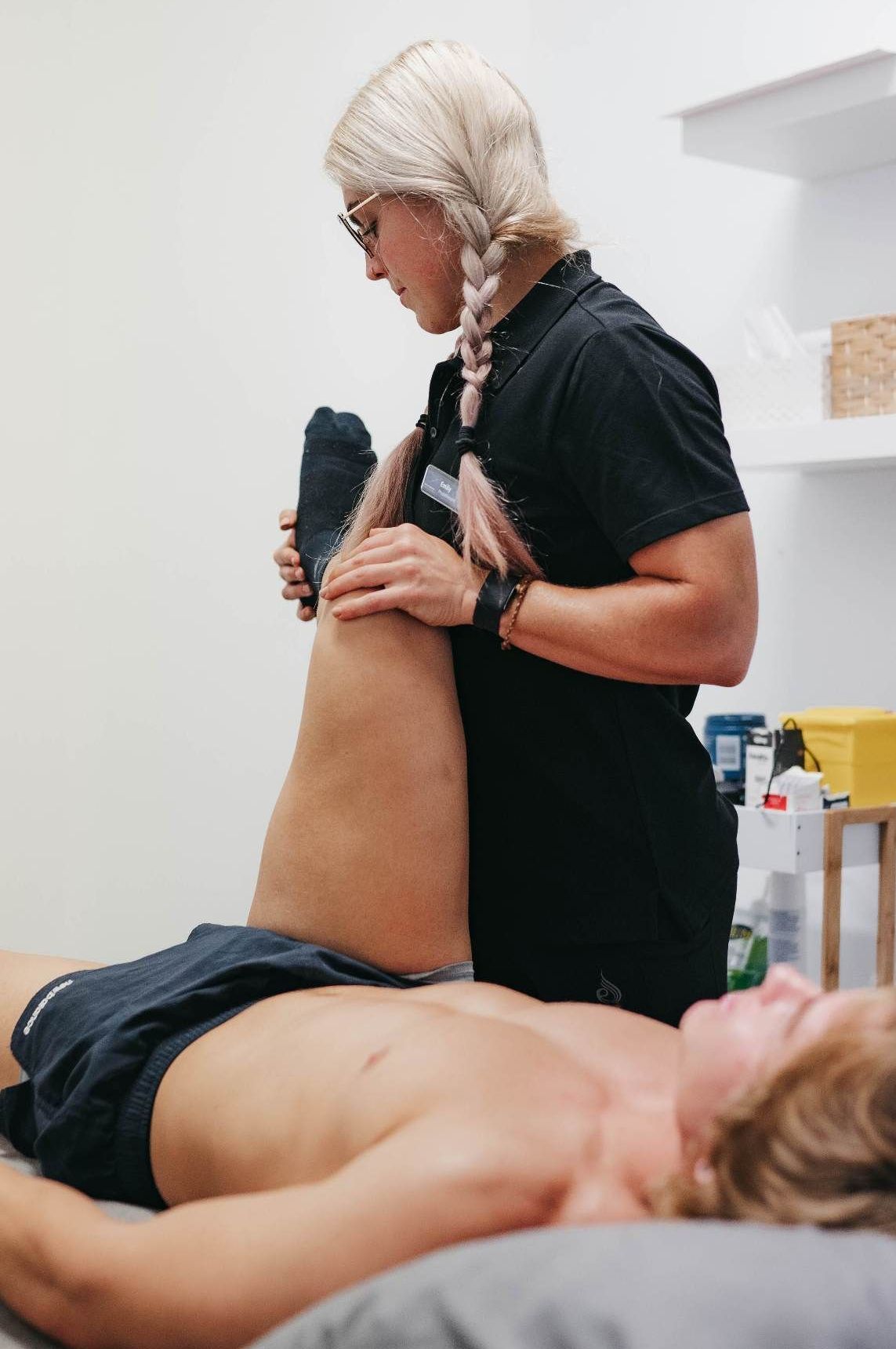
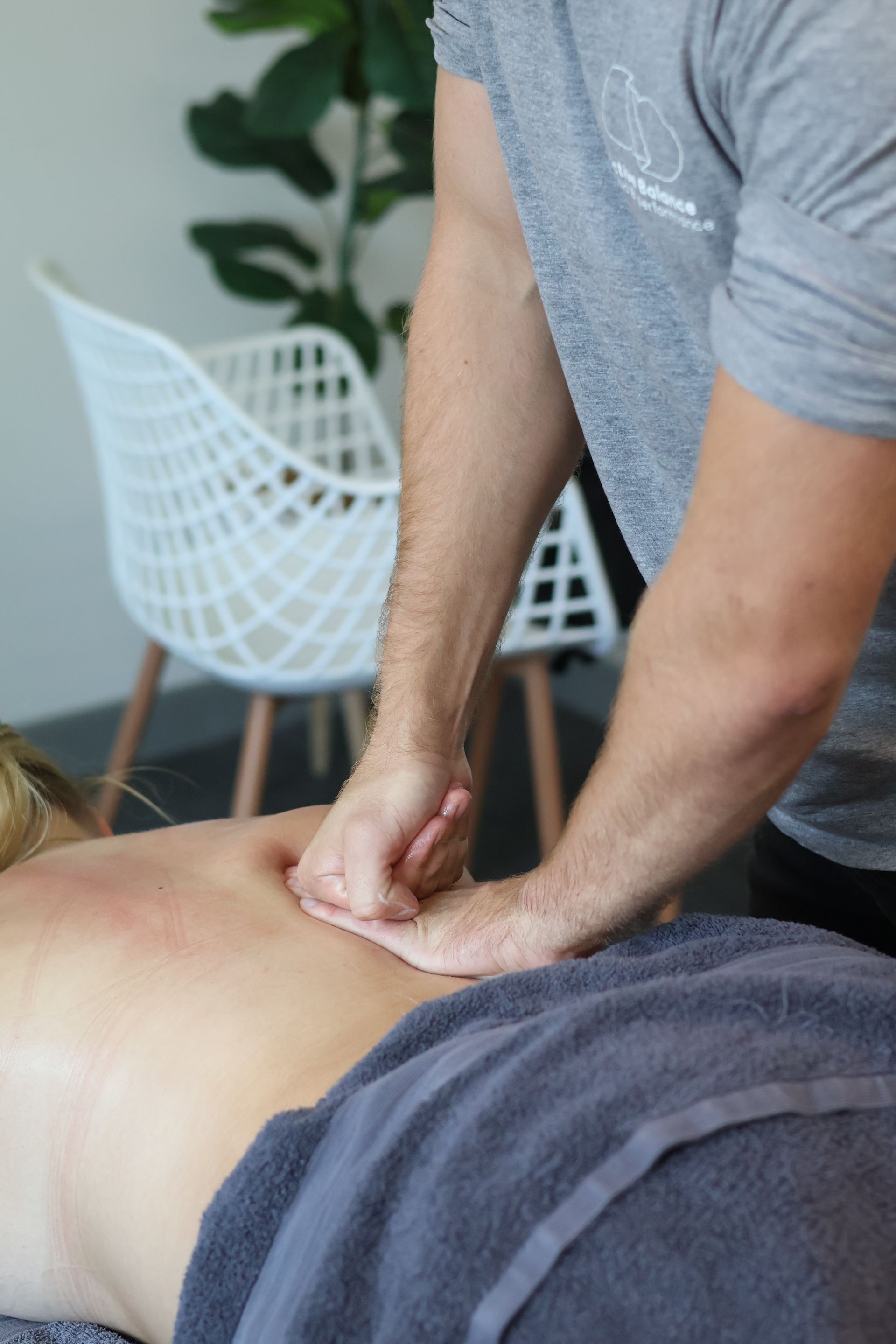
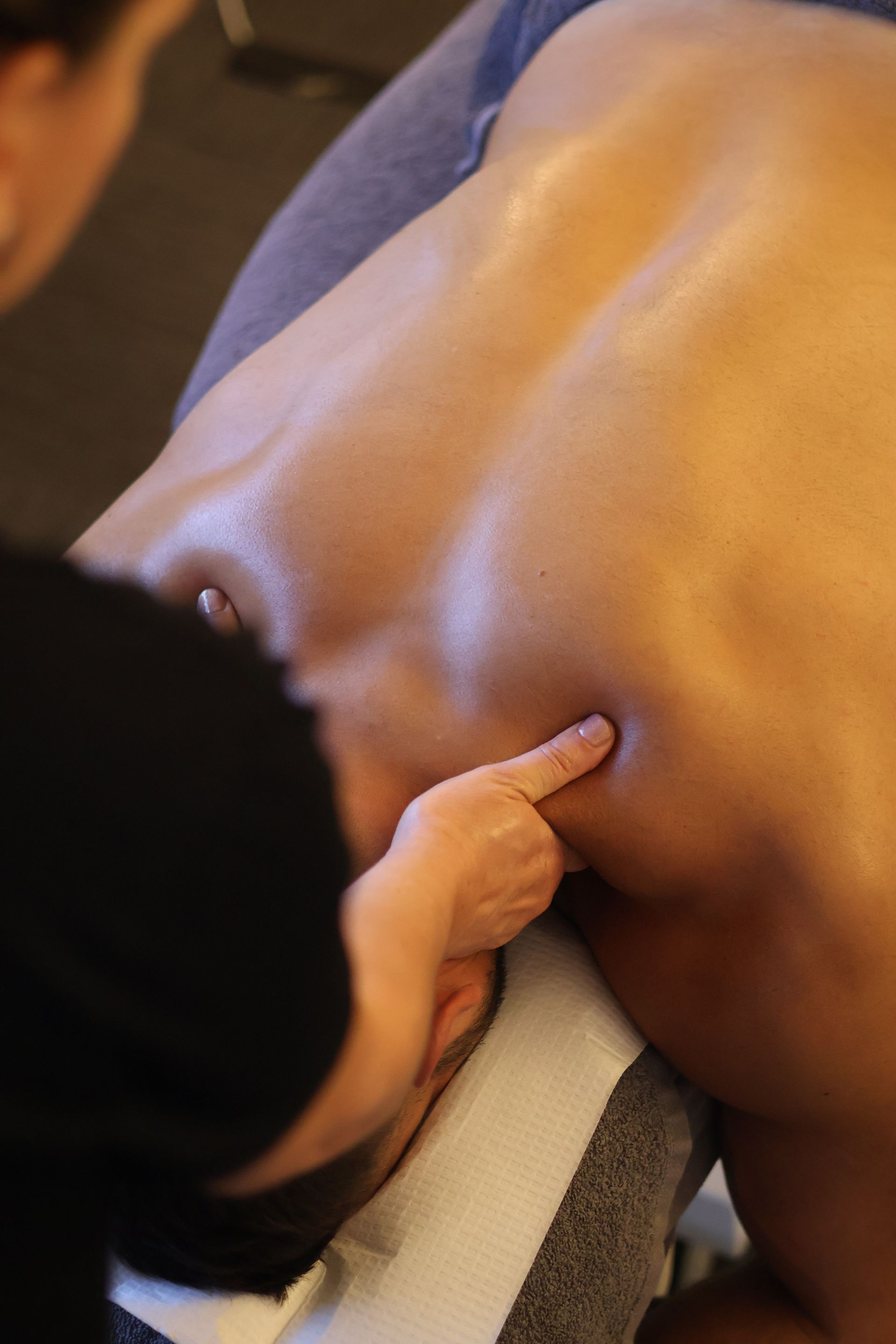
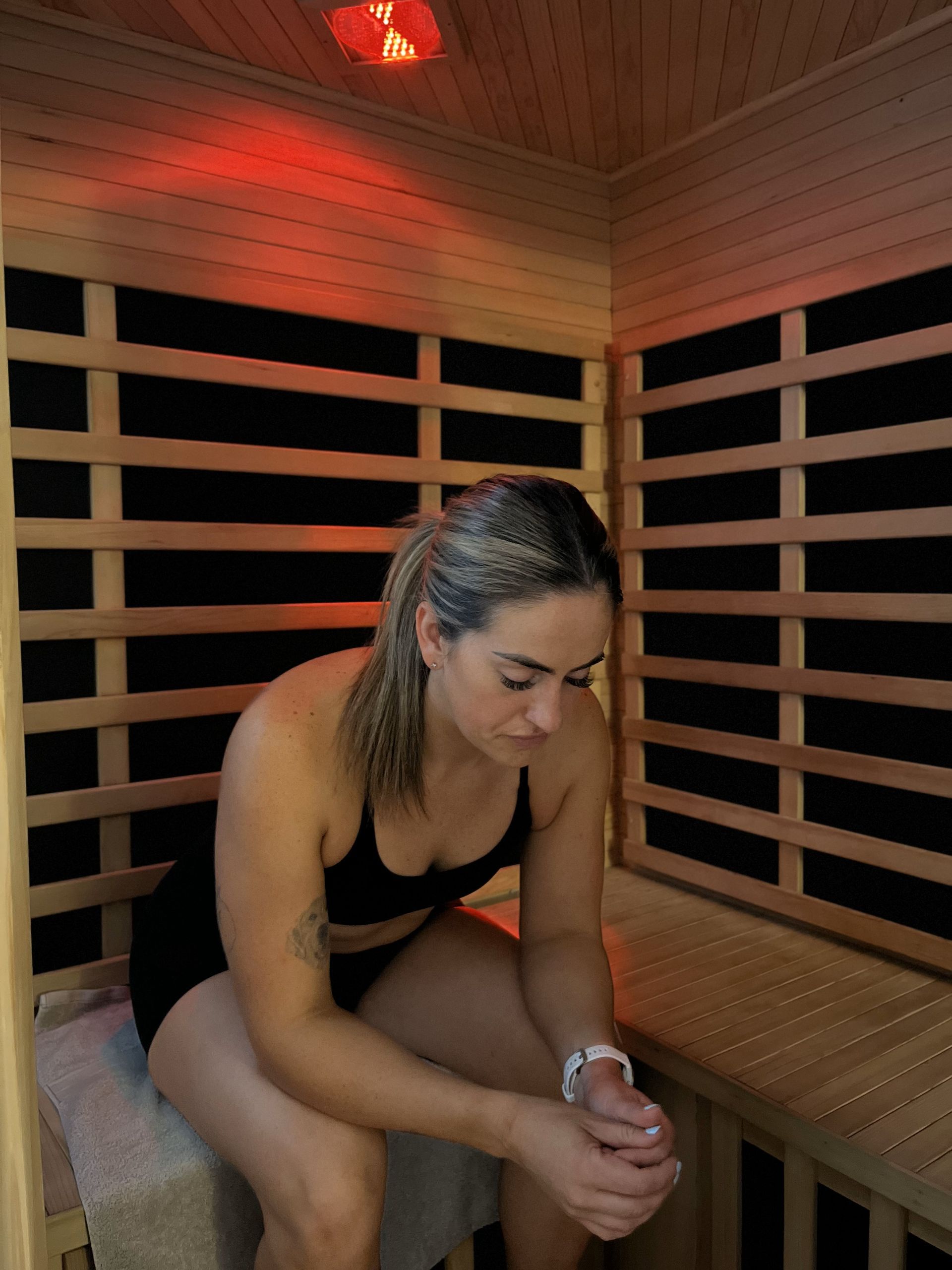
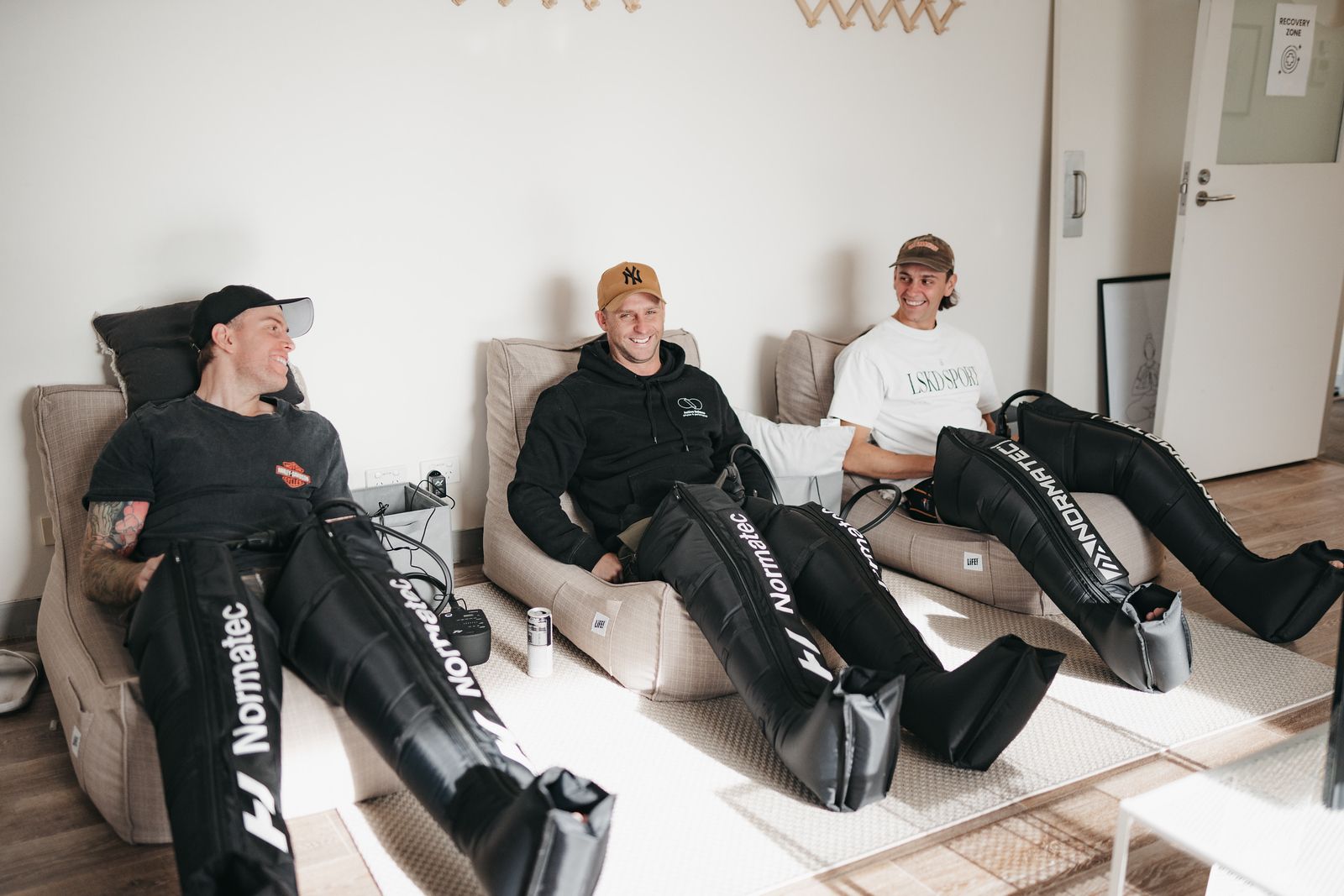
With five different healthcare modalities, plus the availability of our recovery room, we provide a multidisciplinary and holistic approach to healthcare. Our staff work collaboratively to help clients achieve their goals.

Convenient

After-hours and weekend appointments are available to ensure you can find a time that suits you best., and can help fit around work, study, kids and life in general.

Experience

With many over our staff having been in the industry for over 15 years, we can offer experience, high level care, and ensure our junior staff are mentored well to provide the same level of high quality care & expertise.

Latest News

Get the latest news and advice from our team of professional physiotherapists.

February 25, 2026
You may have heard (probably from Instagram physios 🙈) that manual therapy is useless and shouldn’t be used in physiotherapy. We respectfully disagree... Is it a magic fix? No. Does it break up scar tissue, “realign” your spine, or release fascia permanently? Also no. But can it reduce pain and help you move better so rehab is more comfortable and effective? Absolutely. What Is Manual Therapy? Manual therapy refers to skilled, hands-on techniques performed by a physiotherapist (or other manual therapists such as massage therapists, osteopaths, chiros and myotherapists). These may include: Joint mobilisations Soft tissue techniques Trigger point therapy Muscle energy techniques Joint mobilisation These techniques are generally chosen based on your presentation and goals. They are not random, they are applied with a clear purpose: usually to reduce pain, improve movement, and make rehab & recovery more achievable. What Manual Therapy Doesn’t Do There are some persistent myths around hands-on treatment. Current research tells us that manual therapy does not: Physically break up adhesions Permanently “release” fascia Push joints back into place Structurally remodel tissue in a short session Your connective tissue is strong and resilient. It is not being reshaped in 30 minutes of treatment. So if it’s not mechanically changing tissue, what is happening? It Influences the Nervous System Pain does not always mean damage. It is often a protective response created by your nervous system. When an area becomes irritated or overloaded, the nervous system may increase sensitivity. This can lead to: Muscle guarding Stiffness Reduced range of motion Increased pain with movement Manual therapy can provide sensory input to the body. Research suggests that this input can help change how the nervous system processes pain signals. In simple terms, it can: Reduce pain sensitivity Decrease muscle tension Improve short-term movement tolerance Help you feel more comfortable moving Rather than “fixing” injured or tight tissues, manual therapy often works by calming a sensitised nervous system. When the system is calmer, movement becomes easier — and that’s where progress begins. It Can Improve Circulation and Tissue Health Hands-on therapy can also increase local blood flow. Improved circulation may support: Oxygen delivery Nutrient exchange Removal of metabolic waste Overall tissue health This doesn’t mean instant healing, but healthy circulation supports the body’s natural recovery processes. Creating a Window for Rehabilitation This is where manual therapy becomes particularly useful, and where we see a huge benefit. If pain levels are high, exercise can feel: Too uncomfortable Too threatening Hard to perform properly If we can reduce your pain with some hands on treatment (even temporarily) that reduction can create a window of opportunity. During that window, we can: Introduce strengthening & rehab movements Improve joint mobility Retrain movement patterns Gradually increase load & tolerance Build confidence Long-term recovery for most musculoskeletal conditions relies on progressive strengthening and improved load tolerance. Manual therapy doesn’t replace exercise. It helps make exercise possible. What Does the Evidence Say? Clinical guidelines for conditions such as low back pain, neck pain, and some shoulder conditions suggest manual therapy can be helpful, especially when combined with exercise. Research generally shows: Manual therapy can reduce pain in the short term It can improve short-term range of motion Outcomes are better when combined with active rehabilitation On its own, manual therapy tends to produce temporary effects. But when paired with strengthening, mobility work, and education, results are typically more meaningful and longer lasting. This reflects modern physiotherapy practice: use hands-on treatment strategically, not exclusively. What About “Maintenance” Treatments? Work, sport & life in general can place repeated demands on the body. If you do things like: Work in a physically repetitive job Sit at a desk for long hours Play regular sport Lift and carry children Train intensely You are regularly placing load on your tissues, and even strong, healthy tissues can become temporarily overloaded. For some people, regular hands on treatments can: Settle flare-ups early Reduce accumulated muscle tension Improve movement quality Help manage symptom build-up Importantly, this should not replace strength, recovery strategies, and load management. It works best as part of a broader plan that includes: Appropriate exercise Good training progression Rest and recovery Self-management strategies The goal of “maintenance” care is not dependency. It’s about supporting a body that is regularly exposed to high or repetitive demands. Think of it less as “fixing something broken” and more as helping your system stay adaptable and resilient. A Balanced Approach Physiotherapy is not “hands-on versus exercise.” It shouldn’t be an either/or decision. At our clinic, manual therapy is: A tool Used when clinically appropriate More often than not, combined with strengthening and mobility work Generally phased out as independence improves Our goal is never to make you reliant on treatment. Our goal is to: Reduce pain Improve movement Build strength Increase confidence Help you manage your condition independently The Bottom Line Manual therapy does not: Permanently change tissue structure Realign your body Act as a stand-alone cure But it can: Reduce pain Calm a sensitive nervous system Improve short-term mobility Support circulation Create a window for effective rehabilitation When combined with tailored, progressive exercise, it can be a very useful part of your recovery. If you’re unsure whether manual therapy is appropriate for your condition, our physios can assess you and design a plan that supports both short-term comfort and long-term goals.
January 28, 2026
Can AI running apps really replace your physio or running coach? Why caution is needed.. AI running apps like Runna and others are becoming increasingly popular. They promise personalised training plans, pace predictions, and even insights into your running form. But as physios, we’re seeing a rising trend of running injuries like stress fractures, tendinopathies, shin splints, and knee pain, which are often linked to poor load management. Here’s why caution is important and how to use these apps safely. Why many runners get injured: Running injuries often come down to one thing: load management. Our bones, muscles, tendons, and ligaments can really only adapt properly to stress gradually. Common pitfalls of AI apps include: Increasing mileage or intensity too quickly: Many AI apps calculate training plans based on algorithms only - they don’t know your injury history, biomechanics, or lifestyle stressors. Jumping from 20 km to 30 km per week in a few days may seem manageable on an app, but tendons and bones need more time to adapt. Not enough recovery: Rest days are critical for tissue repair. Without them, tiny microtears in muscles or tendons can accumulate and eventually develop into more serious injuries. Ignoring pain signals: Apps may encourage you to “stick to the plan,” even when your body is warning you to slow down. Pain is not just discomfort, it’s often your body’s early warning system. When adaptation doesn’t keep up with load, injuries like stress fractures, tendon pain (Achilles, patellar), ITB issues, plantar fasciitis, and shin splints can develop. What AI Apps Don’t Know About You While AI apps can track pace, distance, and cadence, they cannot fully understand your body or context. They generally don’t know: Your weight, height, or age, which affect impact forces and recovery Your previous injury history or current niggles Your running shoes, gait, or biomechanics The surface you run on. Is it road, trail, track, or treadmill? These all load the body differently. Your mental state, sleep, stress levels, or nutrition, which all affect recovery and performance Ignoring these factors can increase your risk of injury, even if the app says the plan is “optimal.” Using AI Apps Safely: A Practical Approach None of this is to say that you shouldn’t use apps. They can be a great tool when used in the right way. Here’s how to combine the convenience of AI apps with ideal training that your physio will approve of! Treat the app as a guide, not a rule Follow the plan loosely and adjust based on how your body feels. Remember, apps don’t know your injury history or current fatigue levels. Increase training gradually: Stick to principles like the 10% rule (no more than a 10% increase in weekly mileage) or adapt based on your recovery. Sudden jumps in load are the main cause of stress fractures and tendon injuries. Prioritise rest and recovery: Rest days are essential for muscle and tendon repair. Listen to your body! Fatigue, swelling, or persistent aches are all signs you may need a break. Strength and mobility work matter: Calves, glutes, core, and hip muscles support your joints and tendons. Adding strength sessions and mobility exercises reduces injury risk and improves performance. Check equipment and surfaces: Make sure your shoes are appropriate and in good condition. Be mindful of the surface you run on. Trails, roads, tracks, and treadmills all stress your body differently. Consider lifestyle factors: Sleep, nutrition, and mental stress all influence recovery. AI apps don’t know if you’ve had a stressful week or a sleepless night, but your body does. Know when to seek professional help: Persistent pain, recurring injuries, or complex training goals are all reasons to seek the assistance of a physiotherapist or running coach. Personalised advice can prevent long-term setbacks. Bottom Line AI running apps are exciting and can be great motivators, but they’re not a replacement for individualised guidance. Used smartly, they can support your training and goals, but overreliance without listening to your body can lead to injury & issues. By combining technology with awareness of your body’s signals, structured recovery, and professional guidance when needed, you can run smarter, stronger, and injury-free. Need help with running progression or injuries? We’re here to help! Book with one of our physios today 😊
December 31, 2025
Unfortunately, we are seeing an increase in stress fracture presentations at the moment, particularly in young females, which seems to be linked to the growing popularity of endurance sports such as Hyrox, long-distance running, and other high-volume training programs. What are stress fractures? Stress fractures are tiny cracks in the bone, often caused by repetitive force rather than a single traumatic event. They are common in athletes, active individuals, and even people who suddenly increase their activity levels. Understanding why they occur, the risk factors, and how to prevent them is key to keeping your bones strong and staying active safely. Why Stress Fractures Occur Unlike acute fractures caused by sudden trauma, stress fractures develop over time. They happen when the load on a bone exceeds its ability to repair and adapt. Every time we run, jump, or engage in high-impact activity, our bones experience tiny amounts of stress. Normally, bones remodel and strengthen in response. However, if the stress is too frequent or intense without enough recovery, damage can accumulate and eventually result in a stress fracture. Common sites include: • Lower leg: tibia (shin), fibula • Foot: metatarsals • Hip: femoral neck • Ankle: talus Risk Factors Several factors can increase the risk of developing a stress fracture, but some of the most significant in today’s sports culture include: 1. Training and activity-related factors • Rapid increases in training volume or intensity, such as going from running 5km to a full marathon in 3 months • Repetitive high-impact activities (running, jumping, dance, military training, endurance sports) • Overtraining or poor load management, without enough rest and recovery • Poor footwear or inappropriate training surfaces 2. Physiological and health-related factors • Underfueling or inadequate nutrition, leading to low energy availability & deficiencies • Low bone density (osteopenia or osteoporosis) • Hormonal imbalances (e.g., low estrogen in women, low testosterone in men) • Nutritional deficiencies (low calcium, vitamin D, or overall energy intake) • Previous injuries or existing biomechanical issues 3. Biomechanical factors • Abnormal gait or foot alignment • Muscle weakness leading to poor shock absorption Important to note: A huge percentage of stress fractures are preventable with proper load management, realistic training progression, and attention to nutrition. Unrealistic expectations such as trying to increase distance, intensity, or frequency too fast significantly increase the risk. Signs and Symptoms Stress fractures typically start with gradual pain at a specific spot that worsens with activity and improves with rest. Other signs include: • Localised tenderness (you can usually pinpoint it) • Swelling & heat in the area (not always though) • Bruising (less common) • Pain when tapping on the bone If left untreated, symptoms can worsen and lead to a complete fracture. Prevention and Load Management As physios, we recommend a proactive approach to prevent stress fractures. Key strategies include: 1. Gradual progression • Increase training volume, intensity, or impact gradually (e.g., no more than 10% per week). • Incorporate rest days to allow bones to adapt. 2. Strength and conditioning • Build lower limb and trunk strength to improve shock absorption. • Focus on hip, glute, calf, and foot muscles. 3. Biomechanical assessment • Correct muscle imbalances, poor gait patterns, or foot mechanics with physio exercises, orthotics, or footwear adjustments. 4. Nutrition and bone health • Ensure adequate calcium and vitamin D intake. • Maintain sufficient overall energy intake (including fats and carbohydrates), especially for athletes in high-volume training. 5. Cross-training • Reduce repetitive impact by alternating running with cycling, swimming, or resistance training. 6. Early recognition • Don’t ignore persistent pain during activity. Early detection and modified activity can prevent progression. Load Management in Practice Load management is crucial for both preventing and recovering from stress fractures: • Acute phase: Reduce or stop the activity causing pain. Use low-impact alternatives. • Recovery phase: Gradually reintroduce weight-bearing activity under a structured program. • Maintenance phase: Focus on strength, conditioning, and gradual increases in training load. Our physios can design a tailored program to help manage load, correct biomechanics, and safely guide return to sport or activity. Bottom Line: Stress fractures are generally preventable with proper training, nutrition, and attention to biomechanics. With the rise of endurance sports, we’re seeing more cases, particularly in young females. Unrealistic training goals, underfueling, and overtraining are major risk factors. Listening to your body and managing your load wisely is the best way to stay active without setbacks. If you experience persistent pain or suspect a stress fracture, early assessment by one of our physios can help prevent further injury and ensure a safe return to activity.
October 8, 2025
Ankle sprains are one of the most common injuries we see in the clinic. Whether it’s from sport, exercise, or simply stepping off a curb the wrong way, most people have experienced some degree of ankle sprain in their lifetime. While many people think of an ankle sprain as a “minor” injury, they can cause lingering problems if not managed properly. Physiotherapy plays a key role in not just helping your ankle heal, but also in preventing repeated sprains and long-term issues like chronic instability, which can lead to other compensatory problems down the road. What is an Ankle Sprain? An ankle sprain happens when the ligaments are stretched or torn. This usually occurs when the foot rolls inward (an inversion sprain), stressing the ligaments on the outer side of the ankle. There are other ligaments that can sprained in and around the ankle, including the deltoid ligament on the inside of the ankle, and the syndesmosis (which is called a high ankle sprain). However, the most common type of ankle sprain tends to affect the lateral ligaments (most often the anterior talofibular ligament (ATFL), calcanofibular ligaments (CFL)). Sprains are graded based on severity: • Grade 1 (mild): Ligaments stretched, little to no tearing, mild pain and swelling • Grade 2 (moderate): Partial tearing of ligaments, more swelling, bruising, and difficulty walking • Grade 3 (severe): Complete tear of one or more ligaments, significant swelling, bruising, and inability to bear weight Common Symptoms • Pain on the outside (or sometimes inside) of the ankle • Swelling and bruising appearing within hours • Tenderness to touch around the injured ligaments • Difficulty walking or bearing weight • Feeling of instability or “giving way” in the ankle Why Proper Treatment Matters It can be tempting to just “walk it off,” but untreated ankle sprains often lead to: • Chronic ankle instability (ankle frequently giving way) • Decreased strength and balance in the ankle and foot • Increased risk of re-injury — especially in sports • Long-term issues like early joint wear or persistent swelling This is why physiotherapy is so important: it helps ensure proper healing, restores strength and stability, and reduces your risk of future sprains. How Physiotherapy Can Help When you come in, our physiotherapists will do a thorough assessment of your ankle — checking range of motion, swelling, ligament stability, and muscle strength. We’ll also look at how you move, since foot and leg mechanics can contribute to the injury in the first place. Early Stage: Reducing Pain & Swelling In the first few days after injury, the focus is on calming things down. We may recommend: • Relative rest and protection (sometimes crutches or strapping/bracing) • Ice, compression, and elevation for swelling & pain relief • Gentle manual therapy to reduce stiffness and pain Hands-On Treatments As swelling settles, we may use: • Joint mobilisations to restore movement in the ankle • Soft tissue release for tight calf or foot muscles • Dry needling or myofascial release for lingering muscle tension • Taping or bracing to provide stability during recovery Exercise Rehabilitation Exercise is the cornerstone of ankle rehab. A tailored program may include: • Range of motion exercises (ankle circles, alphabet writing) • Strengthening (calf raises, resistance band ankle work, foot intrinsic exercises) • Balance and proprioception training (single-leg stands, closing eyes etc) • Agility and sport-specific drills (hopping, cutting, sprinting) for athletes The goal is not just to heal the ligament, but to retrain your ankle to respond quickly and safely in real-life situations. Education and Return to Activity We’ll guide you on when it’s safe to return to walking, work, sport, or gym training. We’ll also discuss footwear, bracing options, and strategies to avoid recurrence. What the Evidence Says • Exercise therapy is pretty much essential: Research consistently shows that structured exercise (particularly balance and strengthening work) reduces re-injury rates significantly. • Manual therapy helps restore motion: Techniques like joint mobilisation can speed up recovery when combined with exercise. • Bracing or taping may reduce risk of recurrence during return to sport, especially in the first 6–12 months. • Surgery is rarely needed unless there’s severe ligament damage that doesn’t respond to conservative care. A large review published in the British Journal of Sports Medicine highlights that exercise-based rehabilitation is more effective than rest or passive treatment alone in preventing chronic ankle instability. A Partner in Your Recovery Ankle sprains can be frustrating, especially if they stop you from walking comfortably or participating in sport. We won’t just treat the sprain, we’ll focus on helping to give you the confidence to move freely again, without worrying about your ankle “rolling” on you. From hands-on care to rehab planning, we’ll guide you every step of the way so you can get back to the activities you love. Key Takeaways • Ankle sprains are common but do need proper rehab to prevent long-term problems. • Physiotherapy helps by reducing pain, restoring strength and balance, and preventing re-injury. • Exercise-based rehab is the gold standard for recovery. • With the right care, you can return to sport, work, and daily life with confidence. Don’t let an ankle sprain slow you down. Book an appointment with one of our physios today and start your journey back to strong, stable movement.
October 8, 2025
If you’ve ever experienced a sharp, aching pain on the outside of your hip, especially when lying on your side or after a long walk, you may be dealing with a condition called hip bursitis. Also known as greater trochanteric pain syndrome (GTPS), this condition can be frustrating and disruptive, but with the right management, recovery is very achievable. Physio can offer safe, effective strategies to reduce pain, restore strength, and get you back to moving comfortably. What is Hip Bursitis? Your hip has small fluid-filled sacs called bursae that sit between tendons, muscles, and bones to reduce friction. The main one affected in hip bursitis is the trochanteric bursa, located on the outer side of your hip. When this bursa or the surrounding tendons (like the gluteal tendons) become irritated, inflamed, or overloaded, pain develops. This is why many practitioners now use the broader term greater trochanteric pain syndrome, since the problem often involves both the bursa and the nearby tendons. Common Symptoms • Pain over the outer hip, sometimes radiating down the thigh • Tenderness when pressing on the bony point of the hip (greater trochanter) • Pain lying on the affected side, especially at night • Discomfort with walking, climbing stairs, or prolonged standing • Stiffness after sitting for long periods What Causes Hip Bursitis? Hip bursitis often occurs due to overload or irritation rather than a single traumatic event. Contributing factors can include: • Weakness or imbalance in the hip and gluteal muscles • Tightness/tension in the iliotibial band (ITB) or surrounding muscles • Repetitive movements like running, walking long distances, or stair climbing • Postural habits (e.g., crossing legs, standing with weight on one side) • Biomechanical factors like leg length differences or altered gait patterns It’s more common in women, particularly between ages 40–60, but can affect anyone. How Physiotherapy Can Help When you see one of our physios, the first step is a comprehensive assessment. We’ll look at your history, daily activities, posture, muscle strength, and movement patterns. This allows us to put together a tailored plan that addresses not just the pain, but also the underlying cause. Hands-On Treatments for Pain Relief In the early stages, our goal is to calm down irritation and reduce pain. We may use: • Soft tissue release or massage for tight muscles around the hip and thigh to help relive pressure on the affected structures • Myofascial release or cupping to ease tension and improve flexibility • Trigger point therapy or dry needling for overactive glute/TFL muscles & ITB. • Electrotherapy to help with pain relief and muscle activation These treatments help settle discomfort so you can move & feel better, but the real long-term fix comes from targeted exercise. Exercise Rehabilitation Research shows that progressive strengthening of the hip and gluteal muscles is the most effective treatment for hip bursitis. Your physio will guide you through a program that may include: • Isometric exercises for early pain management (e.g., static glute contractions) • Glute strengthening (bridges, resistance band walks, deadlifts, hip thrusts etc) • Hip stabilisation work to improve control during walking and running • Functional strengthening (squats, step-ups, single-leg work) to restore load tolerance Over time, we’ll progress your exercises to restore full strength and reduce the risk of recurrence. Education and Lifestyle Advice We’ll also talk through simple changes that make a big difference, such as: • Avoiding sleeping directly on the sore hip until it settles (a pillow between the knees can help) • Reducing prolonged standing or sitting with legs crossed • Adjusting training loads to prevent flare-ups • Choosing supportive footwear to improve biomechanics What the Evidence Says • Exercise is key: Research strongly supports targeted hip strengthening as the most effective long-term treatment for hip bursitis/GTPS. • Manual therapy helps short term: Soft tissue techniques, needling, and cupping can reduce pain, but work best when paired with strengthening. Basically, it can give us a window of opportunity – where symptoms are reduced so strengthening and rehab exercises can be done with less discomfort & pain. • Corticosteroid injections may help in acute or stubborn cases, but are less effective long-term compared to physiotherapy-led exercise programs. • Surgery is rarely required and only considered if conservative management fails. A systematic review in the British Journal of Sports Medicine highlights that exercise programs provide superior long-term outcomes compared with injections alone. A Partner in Your Recovery Hip bursitis can be stubborn, especially if it’s been hanging around for months. We will take the time to understand your unique situation, reduce your pain, and build a tailored strengthening and lifestyle plan to get you moving freely again. We’ll be with you every step of the way — from early pain relief to regaining strength, confidence, and independence in your daily activities. Key Takeaways • Hip bursitis (or greater trochanteric pain syndrome) causes outer hip pain, especially when lying on your side, walking, or climbing stairs. • Physiotherapy can help with pain relief, targeted strengthening, and practical advice for daily activities. • Research shows that exercise-based rehab is the most effective long-term solution. • With the right plan, most people can return to normal activities without ongoing pain. If you’ve been struggling with hip pain, book a time with our physios to get you back on track & feeling great!
October 8, 2025
If you’ve ever had pain just below your kneecap, especially during sport or exercise, you may have experienced something called patella tendinopathy. Often called “jumper’s knee”, this condition is common in people who play sports involving running, jumping, or sudden changes of direction, but it can affect anyone for a number of reasons. While it can be frustrating and sometimes stubborn, the good news is that physiotherapy is often highly effective for managing patella tendinopathy and helping you get back to the activities you love. What is Patella Tendinopathy? The patella tendon connects your kneecap (patella) to your shin bone (tibia). Its main job is to transfer the force of your quadriceps (thigh muscles) so you can straighten your knee when walking, running, or jumping. With patella tendinopathy, this tendon becomes painful and sometimes thickened due to overuse and overload. Unlike an acute “tear” or “strain,” tendinopathy develops gradually when the tendon is stressed more than it can adapt to. Common signs and symptoms: • Pain just below the kneecap, especially with jumping, running, or squatting • Stiffness or ache after exercise, sometimes the next morning • Pain that warms up with activity but can worsen if you keep pushing through • Reduced performance — difficulty with explosive movements or keeping up with training volume Why Does Patella Tendinopathy Happen? It usually develops due to a combination of: • Sudden increases in training load (e.g., more jumping, hill running, or gym work) • Poor movement mechanics (landing technique, hip/knee alignment) • Weakness or tightness in surrounding muscles like the quads, glutes, and calves • Not enough recovery between sessions It’s especially common in sports like basketball, volleyball, netball, football, and athletics — hence the nickname jumper’s knee. How Physiotherapy Can Help When you come to see one of our physios, we’ll start with a full assessment. This includes looking at your pain history, activity levels, biomechanics, strength, and training loads. From there, we’ll put together a tailored plan to not just help reduce pain, but also restore tendon health and prevent recurrences. Hands-On Treatment In the short term, we can use manual techniques to help reduce pain and help you move more freely. These may include: • Soft tissue release or massage for tight quads, hamstrings, or calves • Trigger point therapy or dry needling to release overloaded muscles around the knee • Myofascial release or cupping to improve flexibility and reduce tension • Electrotherapy to help with pain relief in acute cases While these treatments can provide quick relief, the long-term solution comes from exercise, rehab & training smart. Targeted Exercise Therapy This is the gold standard for patella tendinopathy. Research consistently shows that a structured strengthening program can help restore tendon capacity and function better than rest or passive treatments alone. Your physio will guide you through a progressive exercise plan that may include: • Isometric exercises (like static wall sits) for early pain relief • Slow, heavy strength training (such as squats, leg presses, split squats) to rebuild tendon tolerance • Eccentric loading (controlled lowering movements) to stimulate tendon repair • Plyometric drills to retrain jumping mechanics once pain is under control Education and Load Management One of the most important roles we play is helping you understand how to manage training loads. Tendons don’t like sudden spikes in activity, so we’ll help you find the right balance between exercise, sport, and recovery. We’ll also give you practical advice on warm-ups, footwear, and movement patterns to reduce strain on the tendon. What the research says • Exercise therapy is the cornerstone: The strongest evidence supports progressive loading exercises as the most effective treatment. (British Journal of Sports Medicine reviews highlight heavy slow resistance training as highly effective.) • Manual therapy & adjuncts (needling, cupping, massage) are helpful for pain relief and short-term function, but must be paired with exercise for long-term success. • Education & load management are essential — athletes who understand and adjust their training recover more successfully. • Surgery is rarely needed: Most cases respond well to conservative physiotherapy when managed properly. A Partner in Your Recovery Patella tendinopathy can be very frustrating, especially when it lingers or flares up every time you return to sport or try to increase your training. We don’t just treat the symptoms — we aim to help you understand why the problem developed, give you the right tools to rebuild tendon health, and support you step by step until you’re confident and pain-free. Whether you’re an elite athlete or someone who just wants to enjoy movement & exercise without knee pain, we’ll work with you to create a treatment plan that works for your lifestyle and goals. Key Takeaways • Patella tendinopathy (jumper’s knee) is an overuse injury affecting the tendon below your kneecap. • Physiotherapy helps by combining hands-on pain relief, progressive strengthening exercises, and education. • Evidence shows exercise-based rehab is the most effective long-term solution. • With the right plan, most people return to sport and activity without ongoing pain. If knee pain is holding you back, don’t wait until it becomes a bigger issue. Book an appointment with one of our physiotherapists, and we can help you find relief now, and get back to doing what you love.
October 8, 2025
Trying to conceive can be an emotional and physical journey. Many people explore ways to support their reproductive health beyond medical interventions, looking for gentle therapies that can improve overall wellbeing and optimise the chances of conception. One therapy gaining recognition for its supportive role is Brazilian Lymphatic Drainage (BLD). BLD is a specialised massage technique that uses gentle, rhythmic movements to stimulate lymphatic flow, improve circulation, and reduce congestion in the pelvic and abdominal areas. While it does not directly treat infertility, it can create a more optimal environment for reproductive health, ease discomfort, and reduce stress — all important factors in fertility. Understanding the lymphatic system and its role in fertility The lymphatic system is the body’s natural drainage network. It works closely with the circulatory system to: Remove excess fluid and toxins from tissues Maintain fluid balance Support immune function Reduce inflammation When lymphatic flow slows, fluid can accumulate in tissues, creating congestion. In the pelvic area, congestion can contribute to discomfort, bloating, and poor circulation around the uterus, ovaries, and fallopian tubes. This is where BLD can be particularly beneficial. By gently stimulating the lymphatic system, BLD encourages fluid movement, supports tissue health, and helps the body maintain a balanced internal environment — all of which may contribute to reproductive wellbeing. How Brazilian Lymphatic Drainage supports fertility Help improve circulation to reproductive organs BLD uses gentle, sweeping strokes to enhance lymphatic and blood flow in the pelvic and abdominal regions. Improved circulation ensures that the ovaries, uterus, and surrounding tissues receive oxygen and nutrients while metabolic waste products are removed more efficiently. This supports tissue health, making the reproductive system more receptive and functional. Helps reduce pelvic congestion Stagnant fluid in the pelvic area can lead to feelings of heaviness, bloating, and discomfort. BLD gently encourages the movement of lymph and fluid from congested tissues back into circulation, helping to ease these sensations. Many people report feeling lighter, more comfortable, and less bloated after a session. Helps support hormonal balance indirectly While BLD does not directly regulate hormones, improved lymphatic and circulatory function can support the organs responsible for hormone production and balance. Reduced inflammation, better nutrient delivery, and efficient waste removal create an environment that allows hormonal systems to function more effectively. Reduces inflammation Inflammation in the pelvic region can impact fertility. BLD helps the lymphatic system clear inflammatory by-products from tissues, which may reduce swelling and discomfort. For individuals with conditions such as endometriosis, polycystic ovary syndrome (PCOS), or pelvic congestion, BLD can be particularly supportive. Helps to promote relaxation and reduces stress Trying to conceive can be stressful, and elevated stress hormones like cortisol can interfere with ovulation and reproductive function. The gentle, rhythmic nature of BLD activates the parasympathetic nervous system, promoting relaxation, reducing stress, and supporting the body’s natural restorative processes. Many people feel deeply relaxed and lighter both physically and emotionally after a session. What a Brazilian Lymphatic Drainage session for fertility involves A BLD session focused on fertility typically lasts 60-90 minutes. During the session: • The therapist uses gentle, sweeping strokes to encourage lymphatic flow in the abdomen, pelvis, legs, and arms. • The focus is on promoting pelvic circulation and reducing congestion without causing discomfort. • The massage is light and soothing — not deep or forceful — as lymph vessels lie just beneath the skin. • Many people notice a sense of lightness and relaxation during the session, and some may feel an urge to urinate afterwards as excess fluid moves through the system. When and how often to have BLD While one session may provide immediate relief and a sense of lightness, regular sessions are often recommended for ongoing support. For fertility purposes, some individuals choose weekly or biweekly sessions, depending on their circumstances and under the guidance of a qualified therapist. Consistency helps: • Maintain optimal lymphatic flow • Reduce pelvic congestion over time • Support hormonal and reproductive function indirectly • Promote overall relaxation and stress reduction Complementary lifestyle strategies Brazilian Lymphatic Drainage is most effective when combined with healthy lifestyle choices that support fertility: • Hydration: Drinking adequate water helps lymphatic flow and enhances the body’s natural detox processes. • Movement: Gentle exercise like walking, yoga, or swimming supports circulation and lymphatic function. • Balanced nutrition: Nutrient-dense foods, healthy fats, and adequate protein support reproductive health. • Stress management: Techniques such as meditation, breathing exercises, or mindfulness complement the relaxation benefits of BLD. Who may benefit from BLD for fertility Brazilian Lymphatic Drainage may be beneficial for: • Individuals experiencing pelvic congestion or bloating • Those with reproductive conditions such as endometriosis, adenomyosis, or PCOS • People seeking a gentle, supportive therapy alongside medical fertility treatment • Anyone wanting to reduce stress, improve circulation, and support overall reproductive health It’s important to note that BLD is complementary, not a replacement for medical fertility care. Always consult your healthcare provider when exploring therapies to support conception. Final thoughts... While fertility involves many complex factors, supporting the body’s natural processes can make a meaningful difference. Brazilian Lymphatic Drainage offers a gentle, non-invasive way to improve pelvic circulation, reduce congestion, ease discomfort, and promote relaxation. For those trying to conceive, BLD can be a valuable part of a holistic approach that combines medical care, lifestyle strategies, and gentle therapies. Regular sessions may not only support physical wellbeing but also provide emotional relief and a sense of control during the fertility journey. By helping the lymphatic system function efficiently, BLD encourages the body to maintain balance, optimise reproductive organ health, and feel lighter and more comfortable overall.
October 8, 2025
Lipoedema and lymphoedema are conditions that can significantly affect daily comfort, mobility, and self-confidence. Both involve abnormal fluid accumulation, but for different reasons: Lipoedema is a chronic condition characterised by abnormal fat and fluid deposition, usually in the legs and sometimes arms, causing heaviness, tenderness, and disproportionate limb size. Lymphoedema is caused by impaired lymphatic flow, leading to fluid retention, swelling, and tissue changes, often after surgery, trauma, or as a primary condition. While medical management is essential, complementary therapies can help reduce discomfort, improve mobility, and support lymphatic function. One such effective therapy is Brazilian Lymphatic Drainage (BLD). Unlike traditional lymphatic drainage, BLD is firm, continuous, and dynamic, specifically designed to move stagnant fluid, reduce tissue congestion, and improve circulation. It also provides sculpting and contouring effects, helping limbs feel lighter and more comfortable. How Brazilian Lymphatic Drainage works The lymphatic system is the body’s natural drainage network, responsible for removing fluid, toxins, and metabolic waste from tissues. In lipoedema and lymphoedema, fluid can accumulate due to tissue changes or impaired lymphatic flow, causing heaviness, swelling, and discomfort. BLD works by: • Using firm, wave-like, continuous movements to mobilise fluid from congested tissues • Directing fluid toward lymph nodes where it can be efficiently cleared • Reducing tissue congestion while improving circulation to affected areas • Supporting detoxification and tissue health • Promoting sculpting and contouring effects, especially in the legs, arms, and abdomen Unlike light lymphatic massages, BLD applies dynamic pressure that encourages deep fluid movement and tissue mobilisation, making it especially effective for chronic conditions like lipoedema and lymphoedema. Benefits of BLD for lipoedema and lymphoedema Helps reduce swelling and heaviness BLD’s firm, continuous strokes help move fluid from congested areas toward the lymph nodes, reducing swelling in the legs, arms, and glutes. Many clients notice a measurable reduction in heaviness and limb circumference after a few sessions, making mobility easier and daily tasks more comfortable. Helps to improve circulation and tissue function Enhanced lymphatic and blood flow ensures that tissues receive oxygen and nutrients while waste products are cleared. For individuals with lipoedema or lymphoedema, this can reduce discomfort, tenderness, and inflammation while supporting tissue health. Helps support lymphatic and fluid clearance BLD helps reactivate lymphatic flow in areas affected by impaired drainage. This is especially important for lymphoedema patients, whose lymphatic systems may struggle to clear excess fluid effectively. Regular sessions help maintain consistent fluid movement and reduce the risk of fluid build-up. Provides sculpting and contouring effects BLD’s firm, flowing strokes target affected areas, helping limbs feel lighter and more contoured. For lipoedema, where fat deposition can be uneven, BLD assists in mobilising fluid and easing tissue tension, which can improve overall limb shape and comfort. Helps reduce discomfort and tenderness Both lipoedema and lymphoedema can cause pain, tenderness, and a heavy sensation. BLD helps relieve pressure in congested tissues, reduces tightness, and promotes a sense of lightness in the limbs, making daily movement easier. Helps enhance overall wellbeing Beyond physical relief, BLD promotes a sense of comfort and relaxation. While it is firm and dynamic, clients often feel energised, lighter, and more in control of their bodies after a session. This can improve confidence and quality of life, particularly for individuals managing chronic swelling. What a Brazilian Lymphatic Drainage session involves A typical BLD session for lipoedema or lymphoedema lasts 45–60 minutes and includes: Firm, continuous, wave-like movements on the affected limbs, glutes, abdomen, and sometimes the arms Focus on mobilising fluid toward key lymph nodes, including inguinal, axillary, and cervical nodes Dynamic pressure designed to move stagnant fluid effectively, not just superficially Particular attention to areas prone to congestion, such as thighs, calves, or forearms Clients may notice lightness, reduced swelling, and improved mobility After a session, many people experience increased urination as the body clears excess fluid, a lighter sensation in the limbs, and reduced tension or tenderness. Frequency and consistency For best results, regular BLD sessions are recommended: Weekly or biweekly sessions can help maintain lymphatic flow and reduce recurrent swelling Consistent treatment supports tissue health, fluid balance, and mobility Over time, regular BLD can improve the long-term appearance, feel, and function of affected limbs Consistency is especially important for lipoedema and lymphoedema, as these are chronic conditions where fluid retention can return without ongoing support. Complementary strategies BLD works best alongside supportive lifestyle measures: Hydration: Adequate water intake supports lymphatic clearance Movement: Gentle exercises like walking, swimming, or cycling improve circulation and reduce congestion Compression garments: For lymphoedema, these may be recommended to support fluid control after sessions Balanced nutrition: Anti-inflammatory and nutrient-rich foods support tissue health and minimise fluid retention Stress management: Techniques such as meditation, deep breathing, or yoga complement BLD’s benefits Who may benefit BLD can help: Individuals with lipoedema or lymphoedema seeking relief from swelling and heaviness People who experience tenderness or discomfort in congested areas Those wanting dynamic, effective therapy to support lymphatic function and body contouring Anyone looking for improved mobility, comfort, and confidence while managing chronic swelling BLD is complementary and should be used alongside medical management for lipoedema or lymphoedema. Always consult a healthcare provider for personalised care. Final thoughts... Living with lipoedema or lymphoedema can affect comfort, mobility, and confidence. Brazilian Lymphatic Drainage offers a firm, dynamic, and highly effective way to mobilise fluid, reduce swelling, ease tenderness, and support lymphatic function. Regular BLD sessions, combined with hydration, movement, and appropriate medical support, provide a holistic approach to managing these chronic conditions. Beyond physical relief, clients often experience increased energy, improved mobility, and a renewed sense of control over their bodies. By targeting the abdomen, pelvis, glutes, and limbs, Brazilian Lymphatic Drainage addresses fluid congestion at its source, promoting long-term comfort, balance, and wellbeing.
Show More

Sponsored Clubs and Partners 

Associations
Click here to schedule an appointment with one of our practitioners.

Book an Appointment